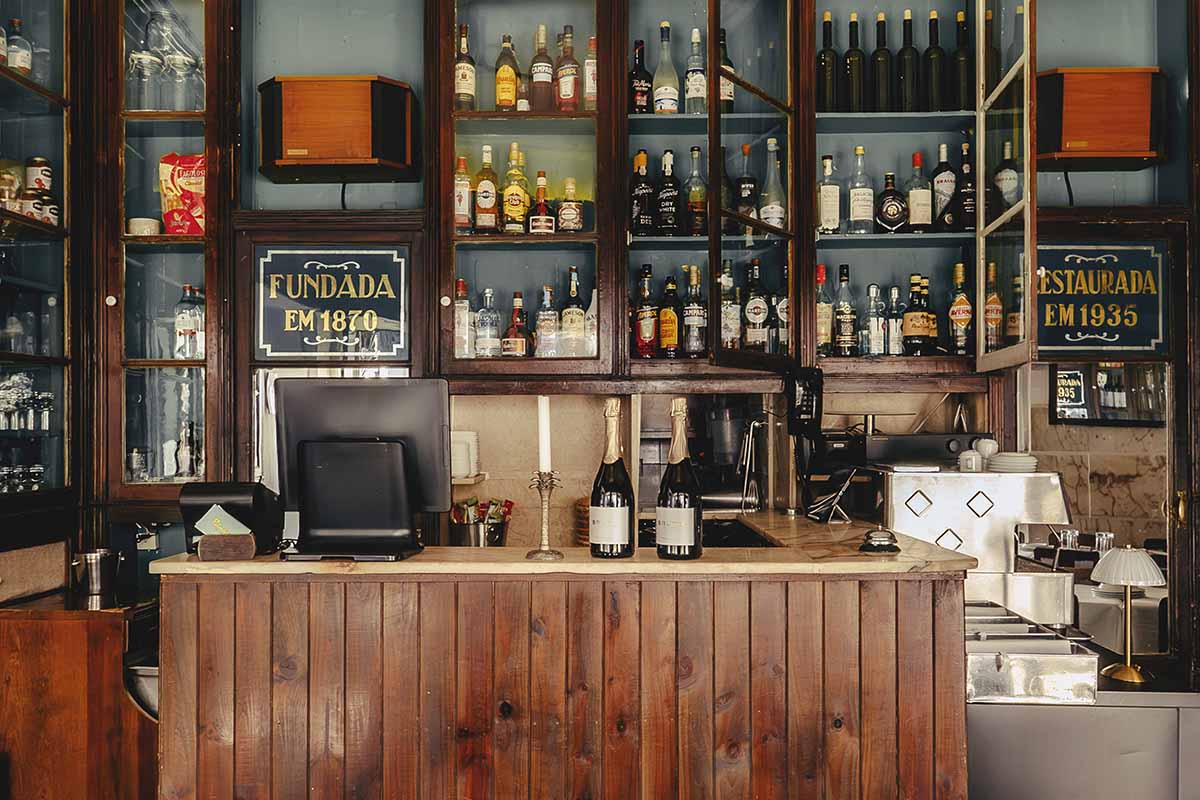
There's a window in the evening — roughly between six and eight — when O Palmeiral stops being a restaurant and becomes a bar. The kitchen is preparing for dinner service. The terrace is catching the last of the light. The dining room is half-empty and half-lit. Someone is playing music that might be bossa nova or might be something from Naples — it's hard to tell and it doesn't matter.
This is aperitivo hour. It's an Italian concept that Lisbon has never formally adopted but has always instinctively understood: the idea that the transition between the working day and the evening meal deserves its own moment, its own drink, and its own unhurried attention.
What to drink
The Negroni. Classic — gin, Campari, sweet vermouth, orange peel — or mezcal, which swaps smoke for juniper and turns the whole thing into something darker and more interesting. This is the drink we make more than any other, and the one people order when they sit at the bar and don't want to think about it.
The Martini. Gin or vodka. Dry or dirty. Stirred, cold, correct. There's nothing to hide behind in a Martini — it's either well-made or it isn't. Ours is well-made.
The Montenegro Sour. Amaro Montenegro, lemon, egg white. Bittersweet, frothy, the kind of drink that tastes like it shouldn't work and then very much does. This is the one for people who don't know what they want but know they want something good.
The Aperitivo Cocktail. The house aperitif. Light, bitter, built for the hour before dinner. It won't ruin your appetite. It will improve your mood.
Why it works
Most cocktail bars in Príncipe Real are designed to be cocktail bars. The lighting is deliberate, the menu is ten pages long, the bartender has a tattoo of a coupe glass. O Palmeiral isn't that. The bar exists because the room has a counter, and the counter has always had bottles behind it, and Daniel has always believed that a restaurant that can't make you a proper drink before dinner isn't really trying.
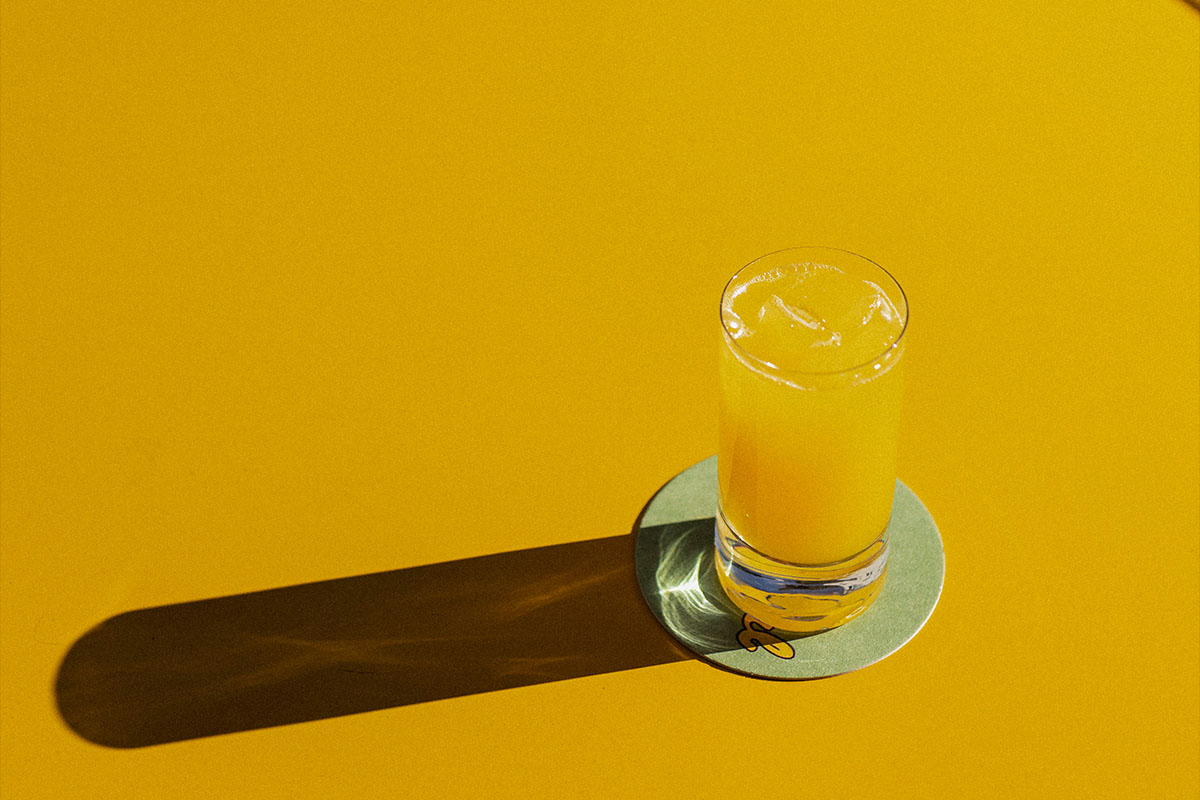
The cocktail list is short — five drinks and three long drinks. No descriptions longer than a sentence. No backstories about the provenance of the bitters. The menu was refined for rhythm and restraint: enough choice to be interesting, not so much that you spend ten minutes deciding.
Come at six. Sit at the bar or on the terrace. Order a negroni. Watch the street. Stay for dinner or don't — the hour belongs to you either way.
The light on the limestone turns gold for about twenty minutes. You'll know when it happens.